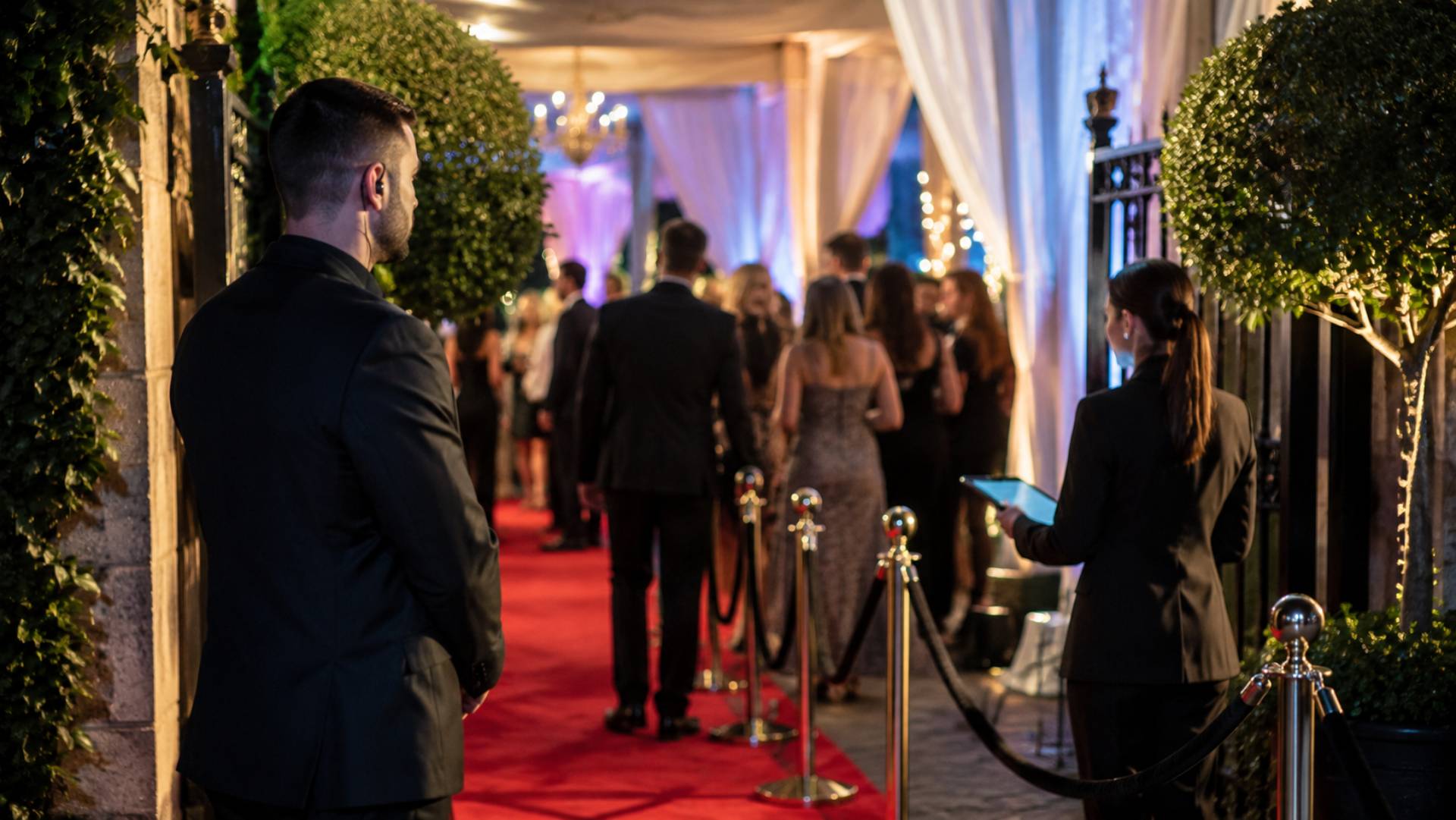
Private events demand more than a guest list and good catering. Smart planning around access, movement and quiet professionalism keeps everyone comfortable and secure. Discover how a trusted security agency helps hosts manage guest lists, guide crowd flow and maintain complete discretion from start to finish.
A private event should feel welcoming, not restricted. Yet without clear planning the atmosphere can quickly shift from relaxed to chaotic. Guest lists, the way people move through a space and the need for quiet professionalism all shape how safe and enjoyable the occasion becomes. Working with an experienced security agency in London allows hosts to put these elements in place without drawing attention to the measures themselves. The right approach protects people and property while preserving the tone of the gathering. Careful preparation turns potential friction points into smooth, almost invisible systems that support the event rather than interrupt it.
Building and Managing an Effective Guest List
A well-managed guest list is the foundation of controlled access. Decide early whether the list will be strict or flexible and communicate the rules clearly to organisers and staff. Digital check-in tools or simple paper lists both work, provided they are updated in real time. Assign responsibility for last-minute changes to one person so decisions remain consistent.
Security staff at the entrance should be briefed on the exact process and any VIP or restricted-name protocols. This prevents awkward conversations at the door and keeps the arrival experience pleasant for genuine guests.
Designing Crowd Flow That Feels Natural
People notice poor flow more than they notice good flow. Map the main routes guests will take from arrival through to departure. Identify potential bottlenecks such as cloakrooms, bars or photo areas and plan how staff can ease pressure at those points.
Use signage sparingly and position team members where they can guide rather than block. Clear sightlines help security monitor the room without appearing intrusive. A logical layout reduces frustration and makes it easier to respond if any situation needs attention.
Maintaining Discretion Throughout the Event
Discretion is often the difference between a professional security presence and an obvious one. Plain-clothes officers blend into the environment while remaining fully briefed and ready to act. Uniformed staff, when used, should be positioned thoughtfully so they reassure without dominating the space.
Brief the team on the expected tone of the event. A formal dinner requires a different style of interaction from a lively celebration. Clear communication channels between security, hosts and venue staff allow quiet updates without interrupting guests.
Coordinating Access Control and Entry Points
- Confirm all entry and exit routes
Identify every door guests or staff might use and decide which will be monitored. - Set clear search or bag policies if needed
Keep procedures proportionate and explain them politely when required. - Link guest-list checks to physical access
Ensure the same standards apply at secondary entrances and staff routes. - Plan for early arrivals and late leavers
Security cover should match the full window of activity, not just peak hours. - Agree escalation steps in advance
Everyone should know how to handle an unlisted guest or unexpected incident calmly.
Balancing Visibility and Approachability
Security that feels approachable encourages guests to seek help if needed. Officers who greet people naturally and answer simple questions create a positive first impression. At the same time they must remain observant and ready to intervene. Training and briefing make this balance possible. Regular short updates during the event keep the whole team aligned without constant radio chatter that guests might overhear.
Preparing for Different Event Scales and Styles
Smaller gatherings often need fewer officers but higher attention to personal detail. Larger private events require more structured zones and clearer handovers between teams. Outdoor spaces introduce weather and perimeter considerations that indoor venues do not. Discuss the layout, expected numbers and any specific concerns with the security provider early so the plan matches the occasion exactly. A flexible approach allows adjustments on the day without disrupting the host’s vision.
Working Smoothly with Venue Teams and Suppliers
Security does not operate in isolation. Share the guest-list process, timing and any special requirements with the venue’s own staff and with other suppliers. A short joint briefing before doors open prevents crossed wires. When everyone understands the priorities, responses stay coordinated and discreet. This collaboration also helps security spot issues early because they understand the wider plan for the evening.
Bringing the Elements Together
Successful private-event security rests on three linked foundations: a clear guest list, thoughtful crowd flow and consistent discretion. When these work together, guests feel looked after rather than watched. Hosts can focus on the occasion itself instead of worrying about access or movement.
Engaging a professional security agency in London brings the experience and trained personnel needed to deliver these elements reliably. From careful planning through to calm execution on the day, the right support protects people and preserves the atmosphere. The result is an event that feels both secure and genuinely private, allowing everyone present to enjoy the moment without distraction.