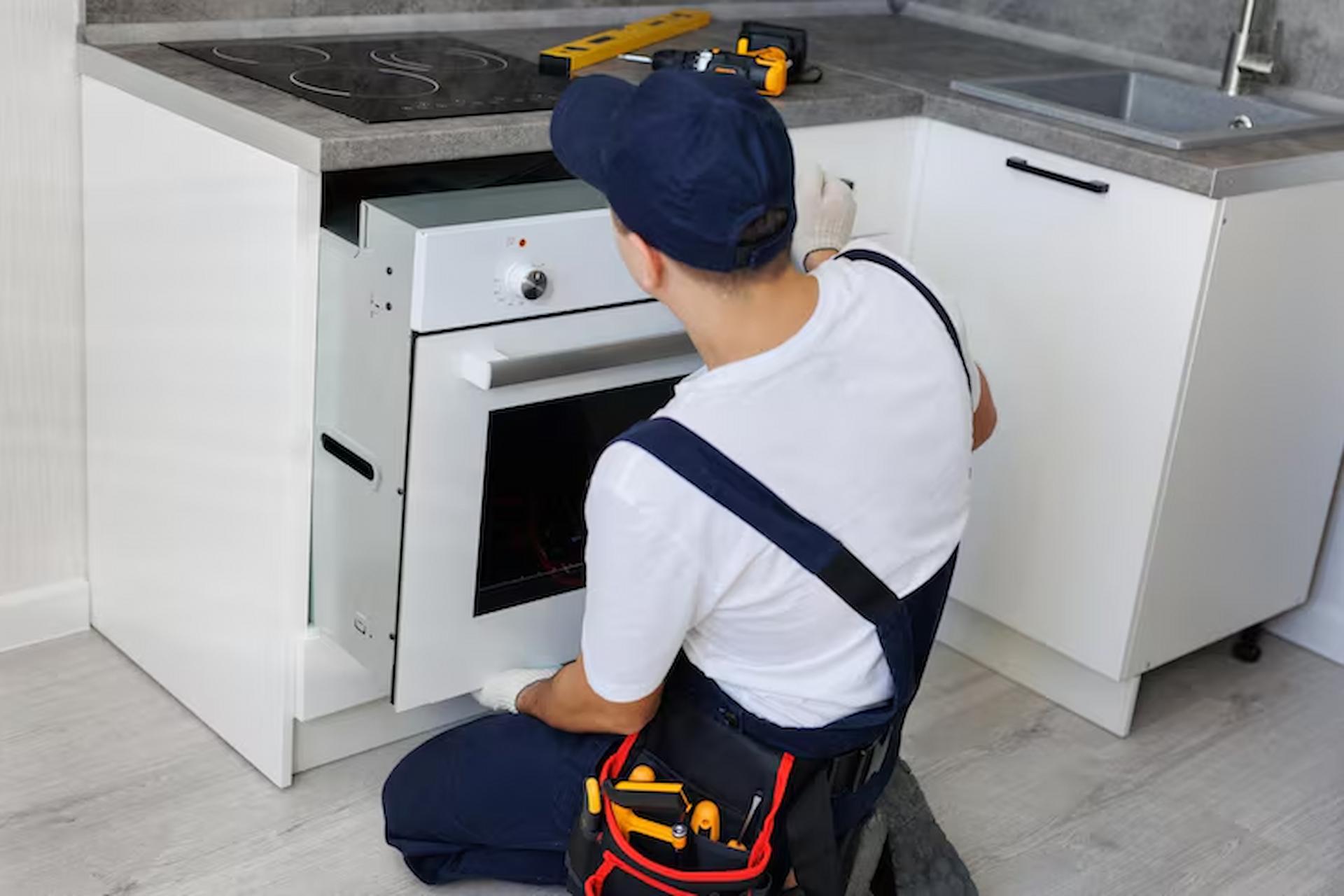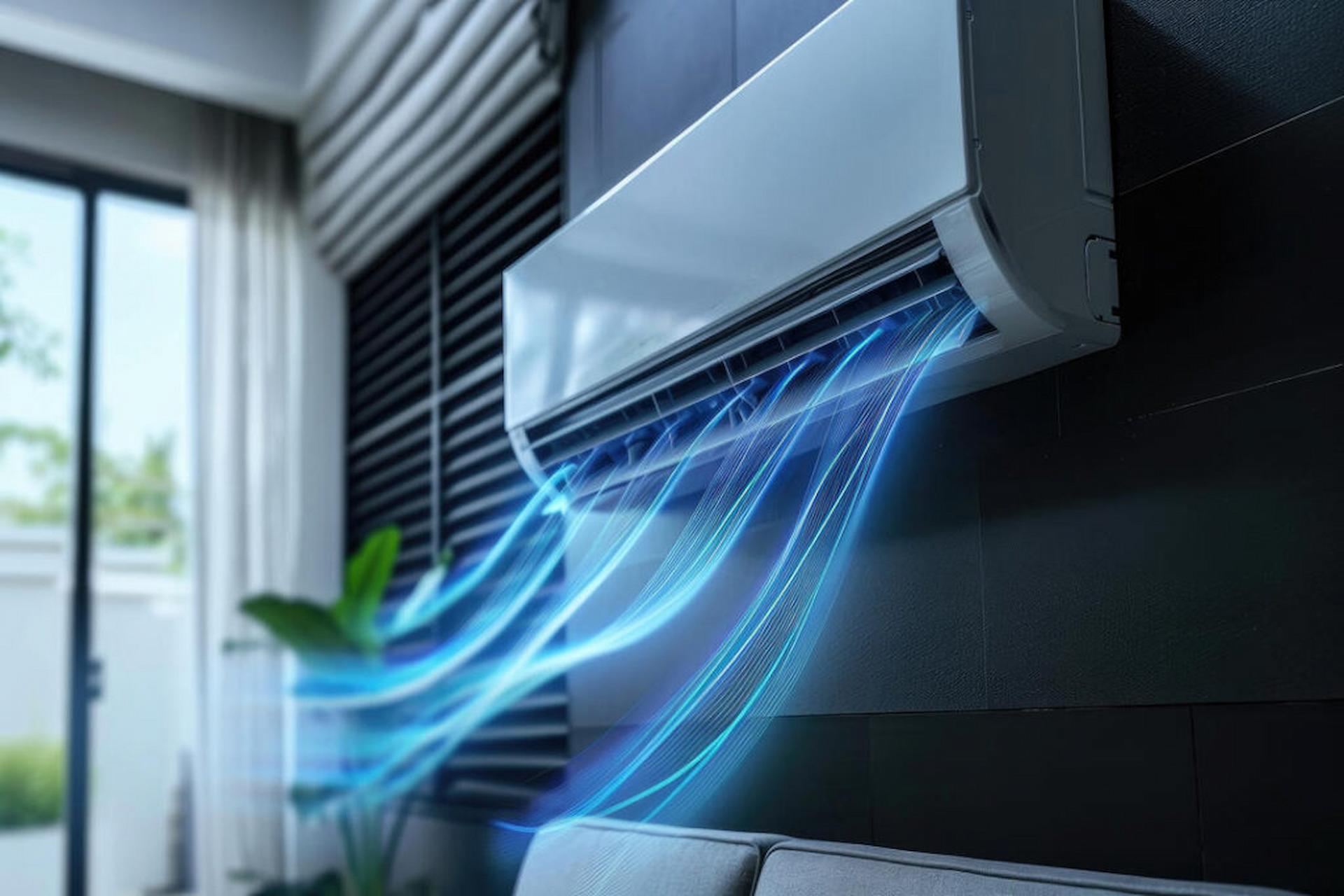
When summer temperatures begin to climb, your air conditioner becomes one of the hardest-working systems in your home. A well-maintained unit can keep indoor spaces comfortable, improve energy efficiency, and reduce the likelihood of sudden breakdowns during heatwaves. However, many homeowners wait until the first extremely hot day before checking whether their cooling system is ready for the season.
Preparing your air conditioner before peak summer arrives can help you avoid expensive repairs and improve overall system performance. If your unit has already shown signs of weak airflow, unusual noises, or inconsistent cooling, consulting experienced AC repair experts early in the season can prevent larger problems later. Taking a proactive approach not only extends the lifespan of your system but also helps maintain healthier indoor air quality during the hottest months of the year.
Replace or Clean Air Filters
One of the simplest yet most important maintenance tasks is checking the air filter. Dirty or clogged filters force your air conditioner to work harder, which increases energy consumption and reduces cooling efficiency.
Most residential systems should have their filters inspected every one to three months, especially during periods of heavy use. Homes with pets, dust issues, or allergy sufferers may require more frequent replacement.
A clean filter helps:
- Improve airflow throughout the home
- Reduce strain on the HVAC system
- Maintain cleaner indoor air
- Support lower energy bills
- Prevent frozen evaporator coils
Ignoring a clogged filter can eventually lead to uneven cooling and unnecessary wear on system components.
Inspect the Outdoor Condenser Unit
The outdoor condenser unit is constantly exposed to dirt, leaves, grass clippings, and other debris. During spring and early summer, these materials can build up around the unit and restrict airflow.
Before temperatures rise significantly, inspect the condenser carefully. Remove leaves, weeds, or branches surrounding the system and ensure at least two feet of open space around the unit. Gently rinse dirt from the condenser coils using a garden hose, avoiding excessive water pressure that could damage delicate fins.
You should also check for:
- Bent or damaged coil fins
- Signs of corrosion
- Unusual vibrations
- Loose electrical connections
- Standing water near the unit
Keeping the condenser clean allows the system to release heat more effectively, improving overall cooling performance.
Test Your Thermostat Settings
Your thermostat controls how efficiently your cooling system operates. Many homeowners overlook outdated or poorly calibrated thermostats, even though they can contribute to higher energy costs and inconsistent temperatures.
Before summer arrives, test your thermostat by setting it several degrees lower than the current indoor temperature. Ensure the system responds correctly and cool air begins flowing within a few minutes.
If you still use an older manual thermostat, upgrading to a programmable or smart thermostat may offer additional benefits. Modern thermostats can automatically adjust temperatures based on occupancy and daily schedules, helping reduce unnecessary cooling when no one is home.
Ideal summer settings often range between 24°C and 26°C for a balance between comfort and energy efficiency.
Check Air Vents and Ductwork
Even a powerful air conditioner cannot cool your home effectively if airflow is restricted. Walk through your home and inspect supply vents and return registers to ensure they are open and unobstructed.
Furniture, curtains, rugs, or storage boxes can block airflow and create uneven cooling patterns. Dust accumulation inside vents may also reduce circulation.
In addition, inspect visible ductwork for signs of:
- Air leaks
- Loose connections
- Excessive dust
- Insulation damage
- Mold or moisture issues
Leaking ducts can waste a significant amount of cooled air, especially in lofts, basements, or crawl spaces. Sealing duct leaks can improve efficiency and help rooms cool more evenly.
Schedule a Professional Maintenance Inspection
Routine professional servicing is one of the most effective ways to prepare your air conditioner for extreme summer heat. HVAC technicians can identify small issues before they become serious problems during peak usage.
A professional maintenance appointment typically includes:
- Refrigerant level checks
- Electrical component inspection
- Thermostat calibration
- Condensate drain cleaning
- Coil inspection and cleaning
- Lubrication of moving parts
- System performance testing
Professional inspections are particularly important for older systems or units that struggled during previous summers. Preventive maintenance can reduce the risk of emergency repairs when temperatures are at their highest.
Monitor Refrigerant and Cooling Performance
Low refrigerant levels can severely affect cooling performance and may indicate a leak within the system. Unlike fuel, refrigerant does not get “used up” under normal conditions. If levels are low, the system likely requires professional attention.
Common warning signs include:
- Warm air coming from vents
- Ice buildup on refrigerant lines
- Longer cooling cycles
- Hissing or bubbling sounds
- Increased humidity indoors
If you notice any of these symptoms, avoid ignoring them. Running an undercharged system can place excessive strain on the compressor, which is often one of the most expensive components to replace.
Improve Home Energy Efficiency
Preparing your air conditioner also involves reducing the amount of heat entering your home. Small improvements to insulation and ventilation can help your cooling system operate more efficiently during hot weather.
Consider the following strategies:
- Close curtains during the hottest part of the day
- Use ceiling fans to circulate cool air
- Seal gaps around windows and doors
- Add loft insulation if needed
- Limit heat-producing appliances during afternoons
These changes reduce the workload on your air conditioner and help maintain more stable indoor temperatures.
Watch for Early Warning Signs
Many air conditioning failures give subtle warnings before a complete breakdown occurs. Paying attention to unusual behaviour can help you address problems early.
Common signs that your system may need attention include:
- Weak airflow
- Strange noises
- Frequent cycling
- Higher energy bills
- Uneven room temperatures
- Persistent humidity indoors
- Musty or burning odours
Addressing these issues promptly may prevent more extensive damage and costly repairs later in the season.
Keep Your Cooling System Reliable All Summer
Preparing your air conditioner for peak summer temperatures involves more than simply turning the system on during the first hot day of the year. Regular maintenance, proper airflow, clean filters, and early inspections all contribute to better cooling performance and improved energy efficiency.
By taking preventative steps before temperatures become extreme, homeowners can reduce the risk of breakdowns, improve indoor comfort, and extend the lifespan of their HVAC systems. Whether your unit is relatively new or several years old, seasonal preparation plays a major role in keeping your home cool and comfortable throughout the summer months.