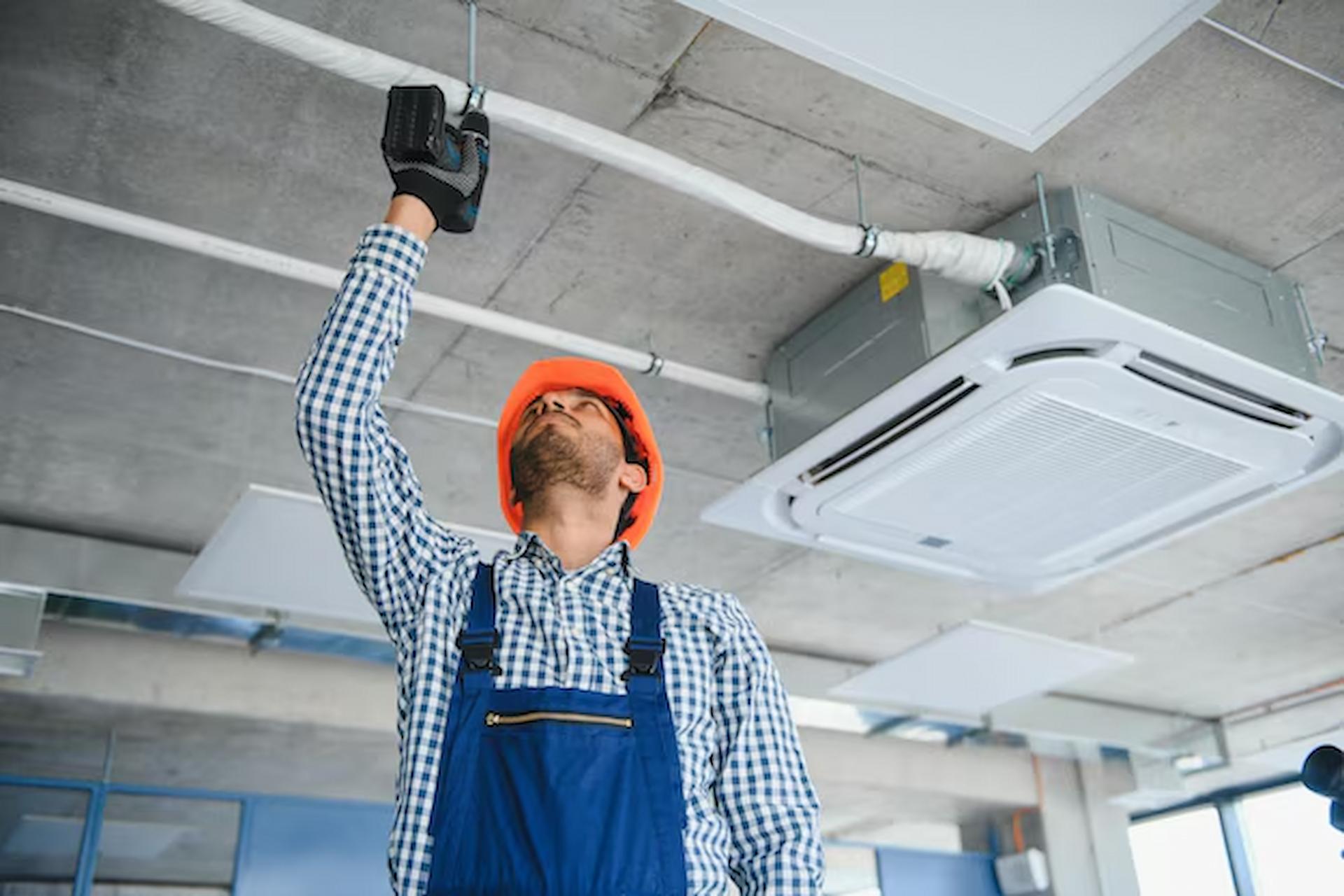
A reliable air conditioning system is essential for keeping your home cool, healthy, and comfortable during hot weather. But when your AC suddenly struggles or stops working, it can quickly become more than an inconvenience. Emergency cooling issues can affect indoor air quality, raise humidity levels, and create unsafe conditions for children, seniors, and pets. Recognizing the early warning signs of serious AC trouble can help homeowners avoid expensive breakdowns and restore comfort before conditions worsen.
Homeowners often require air conditioning repair in Orland Park, IL when cooling systems fail unexpectedly during peak summer temperatures. Whether your AC is blowing warm air, making unusual noises, or showing signs of electrical trouble, immediate professional service can prevent more severe damage. Acting quickly not only protects your HVAC investment but also improves energy efficiency and ensures your home remains safe and comfortable.
Warm Air Instead of Cool Air
One of the clearest signs your AC needs urgent attention is when it stops producing cold air. If your vents are pushing warm or room-temperature air, something is disrupting normal cooling performance.
Common Causes of Warm Air
This issue may result from refrigerant leaks, compressor failure, thermostat malfunctions, or airflow restrictions. While thermostat adjustments or filter changes may solve minor problems, persistent warm airflow often signals a larger mechanical issue.
What to Check First
- Thermostat settings
- Air filter condition
- Circuit breaker status
- Outdoor unit operation
If these basic checks don’t resolve the issue, professional service is likely needed.
Weak Airflow and Poor Circulation
Even if your AC is cooling, poor airflow can indicate a developing emergency. Restricted airflow forces your system to work harder, increasing energy costs and wear on vital components.
Potential Causes of Weak Airflow
- Dirty filters
- Blocked vents
- Duct leaks
- Frozen evaporator coils
- Blower motor problems
Weak airflow can quickly escalate into full system failure if ignored.
Strange Noises Can Signal Immediate Trouble
Air conditioners should operate with minimal noise. Loud or unusual sounds often indicate internal damage or failing parts.
Sounds That Require Fast Action
- Grinding
- Screeching
- Banging
- Buzzing
- Clicking
Homeowners frequently seek air conditioning repair in Orland Park, IL when these sounds appear suddenly, especially during heavy system use. Mechanical or electrical issues can worsen rapidly, so immediate diagnosis is important.
Water Leaks or Ice Buildup
Moisture around your indoor unit or visible ice on system components should never be ignored.
What Water or Ice May Mean
Leaking water often points to clogged condensate drains or drainage problems, while frozen coils may indicate refrigerant loss or airflow restrictions. Both can reduce cooling efficiency and damage equipment.
Warning Signs Include:
- Water pooling near the unit
- Ice on refrigerant lines
- Frozen evaporator coils
- Excess humidity indoors
Fast repairs can prevent water damage and larger HVAC failures.
Frequent Cycling or Constant Running
Your AC should cycle on and off at consistent intervals. If it constantly runs or turns on and off too frequently, your system may be in distress.
Common Causes
- Dirty filters
- Incorrect thermostat calibration
- Electrical issues
- Refrigerant imbalance
- Oversized or undersized systems
Short cycling can increase energy bills and accelerate wear on critical components.
Burning Smells or Electrical Concerns
Burning odors or electrical issues should always be treated as urgent.
Serious Red Flags
- Burning or smoky smells
- Tripped breakers
- Flickering power when AC runs
- Unit won’t start
These signs may indicate overheating motors, damaged wiring, or capacitor problems. Electrical concerns should always be handled by licensed HVAC professionals.
Emergency AC Warning Signs at a Glance
Call for Immediate Service If You Notice:
- Warm air from vents
- Weak airflow
- Loud or unusual noises
- Water leaks
- Ice buildup
- Burning smells
- Frequent short cycling
- Sudden spikes in utility bills
Prompt repairs can often prevent more costly replacements.
Preventative HVAC Maintenance Reduces Emergencies
While some AC failures are unexpected, regular maintenance significantly lowers your risk of emergency repairs.
Smart Preventative Steps:
- Replace filters every 1–3 months
- Schedule seasonal tune-ups
- Keep condenser units free from debris
- Inspect thermostat settings
- Clean vents regularly
- Monitor unusual sounds
Routine HVAC maintenance improves energy efficiency while extending system lifespan.
Choosing the Right Emergency AC Repair Service
Fast service matters, but quality expertise is equally important during an AC emergency.
What to Look For in an HVAC Provider:
- 24/7 emergency availability
- Licensed and insured technicians
- Transparent pricing
- Positive customer reviews
- Experience with multiple AC brands
- Preventative service plans
Choosing a trusted professional ensures accurate repairs and dependable home comfort.
Energy Efficiency After Emergency Repairs
Once your system is restored, improving efficiency can help prevent future issues.
Helpful Upgrades Include:
- Smart thermostats
- High-efficiency air filters
- Duct sealing
- Improved insulation
- Routine HVAC inspections
These upgrades support better cooling performance while reducing operating costs.
Conclusion
Emergency AC issues often begin with warning signs like warm air, weak airflow, strange noises, or water leaks. Recognizing these symptoms early can protect your comfort, prevent larger system failures, and reduce repair costs. Immediate professional service is essential when safety or cooling performance is compromised. By combining fast response with regular HVAC maintenance and energy-efficient upgrades, homeowners can enjoy reliable comfort, lower utility bills, and greater peace of mind throughout the hottest months of the year.