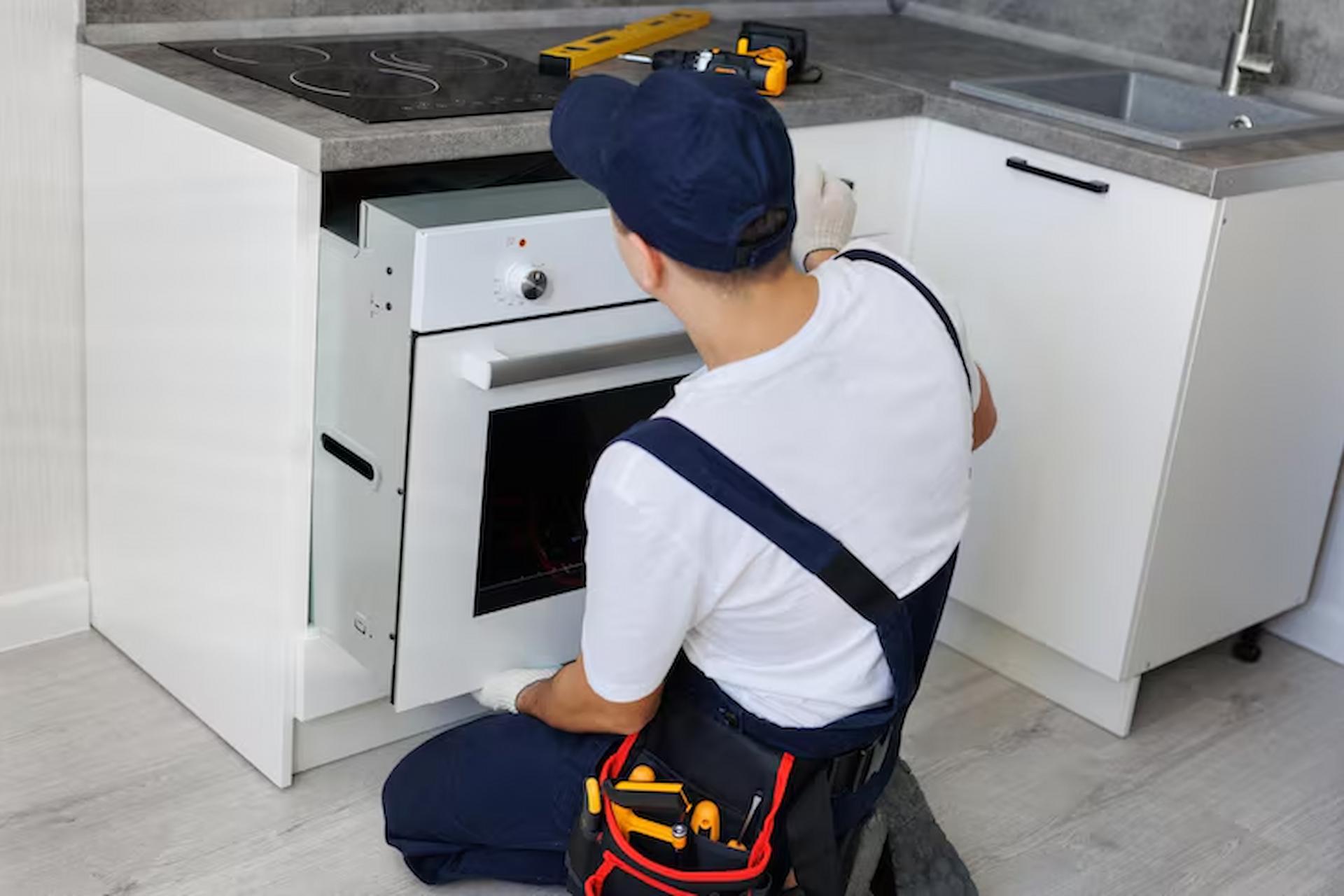
Installing gas appliances in your home can greatly improve the functionality and efficiency of your living space. Whether you’re adding a new stove, heater, or other gas-powered appliances, proper installation is crucial for safety, performance, and compliance with local regulations. As a homeowner in Perth, understanding the essentials of gas appliance installation is key to ensuring that your home remains comfortable and secure. Here are the important questions every Perth homeowner should ask before installing a gas appliance.
1. Is the Gas Appliance Installation Safe?
The first and most critical question when considering gas appliance installation is safety. Improper installation can lead to gas leaks, fires, or carbon monoxide poisoning. Always hire a licensed professional for gas appliance installation in Perth. These experts ensure that the appliance is connected correctly and safely, following all local safety codes and regulations.
It’s also essential to check whether the installation complies with the Australian Gas Association (AGA) standards. These standards are designed to keep homes safe and ensure that all installations are properly tested for leaks and function. If you’re unsure, don’t hesitate to ask your installer about their certifications and the steps they take to ensure safety.
For peace of mind, it’s also a good idea to arrange for a gas safety inspection Perth. Regular safety inspections can help detect potential risks early, ensuring that your home remains safe in the long term.
2. Does the Appliance Suit My Home’s Gas System?
Not all gas appliances are suitable for every type of gas system. Before you make a purchase, it’s important to verify that the appliance you plan to install matches the specifications of your gas supply. Perth homes may be connected to natural gas or LPG (liquefied petroleum gas), and appliances need to be compatible with the type of gas available.
A professional installer will assess your current system and recommend the right appliance for your setup. They will also check that your gas system is capable of supplying the required pressure to the appliance. This ensures that the appliance operates efficiently and safely, saving you from unnecessary repair costs down the line.
3. What Are the Costs Involved?
While cost is often a significant factor in choosing a gas appliance, it’s important to consider both installation and long-term maintenance costs. The installation cost can vary depending on the complexity of the job, the type of appliance being installed, and any required upgrades to your gas system. Be sure to get a detailed quote from your installer before proceeding.
Don’t forget to factor in the ongoing costs of using your gas appliance, such as fuel consumption. Gas appliances tend to be more cost-effective than electric ones in the long run, but this depends on your usage patterns. It’s always a good idea to ask your installer about the energy efficiency of the appliance you’re considering and how it will impact your energy bills.
4. Is the Installation Process Disruptive?
Gas appliance installation can be a big job, especially if it requires modifying your home’s existing gas lines or creating new connections. Depending on the complexity of the installation, the process can take anywhere from a few hours to a couple of days.
You should also ask your installer about any potential disruptions. For example, will the installation require turning off the gas supply? Will there be any noise or construction work involved? Knowing what to expect can help you plan accordingly and ensure that you’re prepared for the installation day.
5. What Maintenance Does the Appliance Require?
Once your gas appliance is installed, regular maintenance is essential to keep it running smoothly. Ask your installer about the recommended maintenance schedule for your appliance. Some appliances, such as gas heaters or stoves, may require annual servicing to ensure that they’re functioning efficiently and safely.
It’s also a good idea to ask about how often you should have a gas safety inspection Perth to check for issues like gas leaks or corrosion in the pipes. Regular checks can help identify problems before they become serious, saving you from costly repairs or replacements.
6. How Can I Ensure Compliance with Local Regulations?
When installing a gas appliance, you must ensure compliance with local laws and regulations to avoid fines and penalties. Perth has strict regulations in place regarding gas appliance installation, and failure to comply can have serious consequences.
Ask your installer about the relevant regulations and ensure that they’re following all local codes. A professional installer will be well-versed in these rules and can guide you through the necessary steps to make sure your appliance is installed legally.
7. How Long Will the Installation Take?
Depending on the type of gas appliance being installed and the complexity of the installation, the process can vary. Simple installations, like a new gas stove or heater, may take only a few hours. However, more complicated installations involving changes to the gas lines or installation of multiple appliances may take longer.
It’s always a good idea to ask the installer for an estimated timeline. Knowing how long the installation will take will help you plan accordingly and minimise disruption to your daily routine.
Conclusion
Proper gas appliance installation Perth is essential for the safety, efficiency, and longevity of your appliance. By asking the right questions before installation, you can ensure that your new gas appliance is installed correctly, safely, and in compliance with local regulations. Always hire a licensed professional for installation and schedule regular gas safety inspections to keep your home and family protected. With the right installation and ongoing maintenance, you can enjoy the benefits of a reliable and efficient gas-powered appliance for years to come.
