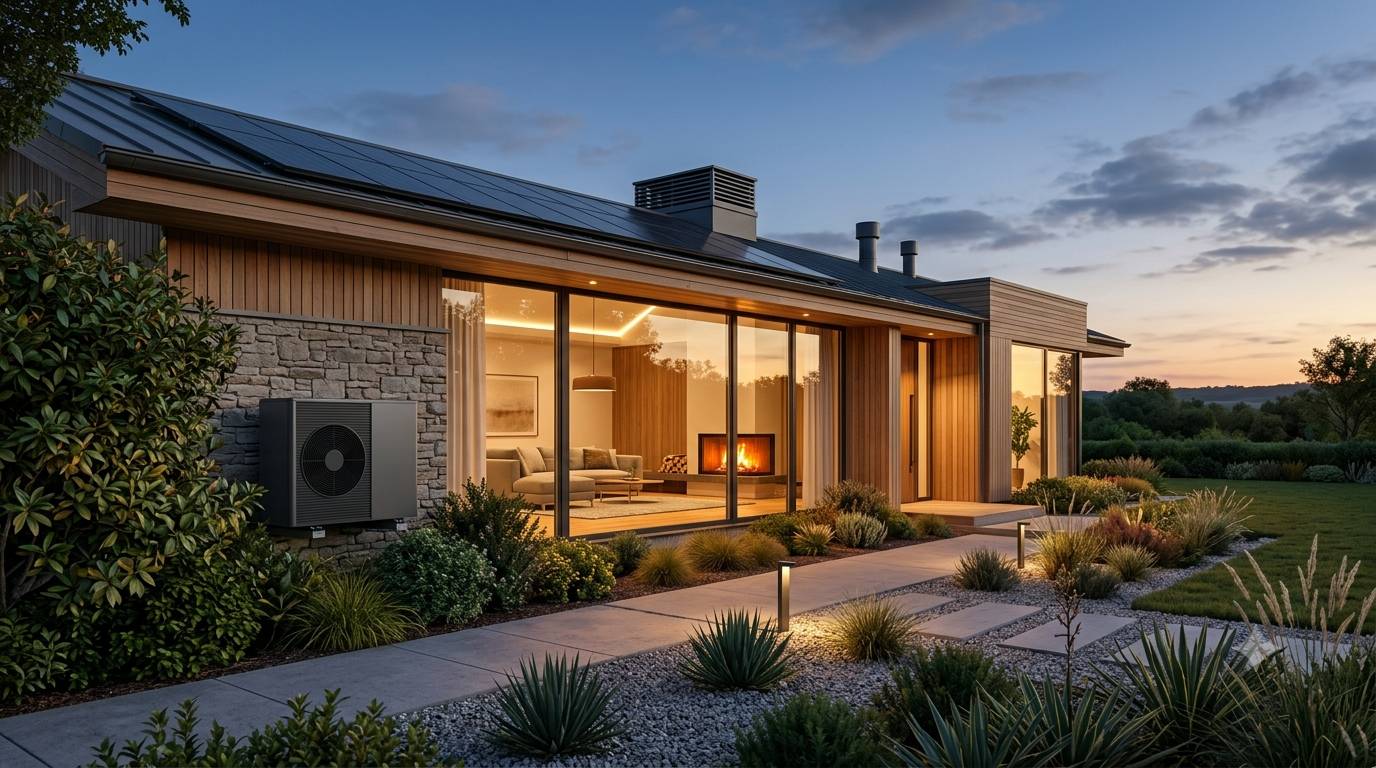
Heating and cooling technology has changed considerably over the years. Today’s residential systems can offer better temperature control, improved efficiency, and more flexible ways to heat and cool different areas of a home. For homeowners replacing older equipment, these options can make it easier to find a system that suits both the property and everyday comfort needs.
Heat pumps have become one option worth considering because they can provide both heating and cooling from the same system. However, choosing the right equipment involves more than looking at efficiency ratings. Home size, insulation, ductwork, climate, electrical requirements, and installation quality can all affect how well a system performs. Homeowners considering heat pump repair and installation should also think about how the system will be maintained over time.
Heat Pumps Can Provide Year-Round Comfort
A heat pump can move heat rather than simply creating it. During warmer months, it can remove heat from the home to provide cooling. During colder weather, the process can be reversed to bring heat indoors.
This allows one system to handle both major comfort needs. For example, a homeowner may use the same heat pump for summer cooling and winter heating instead of relying on separate systems for each season.
The actual performance of a heat pump depends on factors such as system size, outdoor temperatures, home insulation, and installation quality. Choosing equipment that matches the property is therefore an important part of the process.
How Inverter Technology Can Improve Comfort
Some modern heat pumps use variable-speed or inverter technology. Instead of operating only at full capacity and shutting off, these systems can adjust their output based on the home’s current heating or cooling needs.
For example, on a mild day, the system may operate at a lower capacity rather than repeatedly starting and stopping. During periods of higher demand, it can increase output as needed.
This type of operation can provide more consistent indoor temperatures and may reduce some of the energy associated with frequent cycling.
Smart Thermostats Add More Control
Modern thermostats can do more than simply turn a heating or cooling system on and off. Smart models can provide scheduling options, remote access, and other controls that allow homeowners to manage indoor temperatures more conveniently.
A homeowner might adjust the temperature from a phone before arriving home or create different schedules for weekdays and weekends. Some systems can also learn patterns or provide information about energy use.
A smart thermostat isn’t automatically the right choice for every HVAC system, so compatibility should be considered before installation.
Technology Worth Considering for Today’s Homes
Modern HVAC systems offer several features that can improve comfort and control.
- Variable-speed operation: Adjusts system output based on demand.
- Smart controls: Allows easier temperature scheduling and monitoring.
- Heat pump technology: Provides heating and cooling from one system.
- Zoning controls: Allows different areas to have separate temperature settings.
- Improved filtration: Can support cleaner airflow through the HVAC system.
The right combination depends on the home’s design, existing equipment, and the homeowner’s priorities.
Zoned Heating and Cooling
A single thermostat may not provide ideal control in every home. Properties with multiple floors, large open areas, or rooms that have different heating and cooling needs may benefit from zoning.
A zoned system can divide the home into separate areas and allow each zone to be controlled more independently. For example, bedrooms can follow a different schedule from the main living areas.
Zoning can improve comfort, but the system needs to be designed around the home’s ductwork and HVAC equipment. Adding controls without addressing underlying airflow problems may not produce the expected results.
Ductless Systems Offer More Flexibility
Ductless heat pumps can be useful in homes where extending traditional ductwork isn’t practical. These systems typically use an outdoor unit connected to one or more indoor units.
They can be particularly useful for additions, converted spaces, garages, or rooms that have always been difficult to heat and cool. Instead of modifying the entire duct system, homeowners can provide conditioning directly to specific areas.
The layout of the home and the number of spaces that need conditioning should be considered before choosing a ductless approach.
Proper Sizing Still Matters
Even advanced HVAC technology won’t perform properly if the system is incorrectly sized. An oversized system may cycle on and off too frequently, while an undersized system may run for long periods without keeping the home comfortable.
Proper sizing considers factors such as the home’s square footage, insulation, windows, orientation, layout, and local climate conditions.
This is why replacing an old system with one that has the same capacity isn’t always the best approach. The home’s current heating and cooling needs should be evaluated before new equipment is selected.
Installation Quality Makes a Difference
The quality of an HVAC installation can affect how well modern equipment performs. Incorrect connections, poor airflow, unsuitable ductwork, or improper setup can prevent a system from operating as intended.
This is particularly relevant with advanced equipment that relies on specific controls and operating requirements. A system may have excellent specifications, but those benefits can be reduced if the installation doesn’t match the home’s needs.
Professional installation can help ensure the equipment, controls, airflow, and other components work together correctly.
Electrical Requirements Are Worth Considering
Some newer HVAC systems may have different electrical requirements from older equipment. Before installation, homeowners should consider whether the existing electrical setup can support the new system.
This is especially relevant when replacing older heating equipment with a modern heat pump. Electrical capacity, wiring, disconnects, and other components may need to be reviewed as part of the installation.
Planning for these requirements ahead of time can help avoid unexpected complications during the project.
Maintenance Keeps Modern Systems Performing
Even newer HVAC technology needs routine care. Filters need attention, outdoor units should remain clear of debris, and system components should be checked according to the manufacturer’s recommendations.
Maintenance can also help identify changes in performance before they become major problems. If a heat pump starts running constantly, produces unusual sounds, struggles to maintain temperatures, or shows other changes, professional service may be appropriate.
Regular maintenance is particularly useful for systems that provide both heating and cooling because they may operate throughout much of the year.
When Repairs May Be Needed
Modern systems contain several electrical, mechanical, and control components. A problem with one part can affect overall heating or cooling performance.
Homeowners may notice warning signs such as inconsistent temperatures, unusual noises, reduced airflow, frequent cycling, or a system that doesn’t switch properly between heating and cooling modes.
Not every problem means the equipment needs to be replaced. Depending on the system’s age, condition, and repair history, fixing a specific component may be a practical option.
Technology Should Match the Home
The newest HVAC technology isn’t necessarily the best choice for every property. A system should fit the home’s size, layout, insulation, ductwork, electrical capacity, and comfort requirements.
For example, a ductless heat pump may make sense for a room addition, while a centrally ducted system may be more suitable for a home with existing, well-maintained ductwork. A zoned system may be useful for a multi-level property with significant temperature differences.
Looking at the whole home can help homeowners choose technology that provides practical benefits rather than simply selecting equipment based on features.
Think About Long-Term Comfort
When choosing heating and cooling equipment, it’s useful to consider how the system will perform several years from now. Maintenance requirements, repair accessibility, operating costs, comfort, and expected system lifespan can all influence the value of an installation.
Homeowners should also think about future changes to the property. A planned addition, finished basement, or change in how rooms are used could affect heating and cooling requirements.
A system that fits both current and expected needs can be easier to manage over time.
Final Thoughts
Modern heating and cooling technologies give homeowners more options for managing comfort, from heat pumps and variable-speed systems to smart thermostats, zoning, and ductless equipment. However, technology alone doesn’t guarantee good performance. Proper sizing, installation, airflow, and ongoing maintenance are equally important.
Before choosing a new system, consider the home’s layout, insulation, ductwork, electrical setup, and everyday comfort needs. With the right equipment and proper care, a modern HVAC system can provide reliable heating and cooling while giving homeowners greater control over their indoor environment.