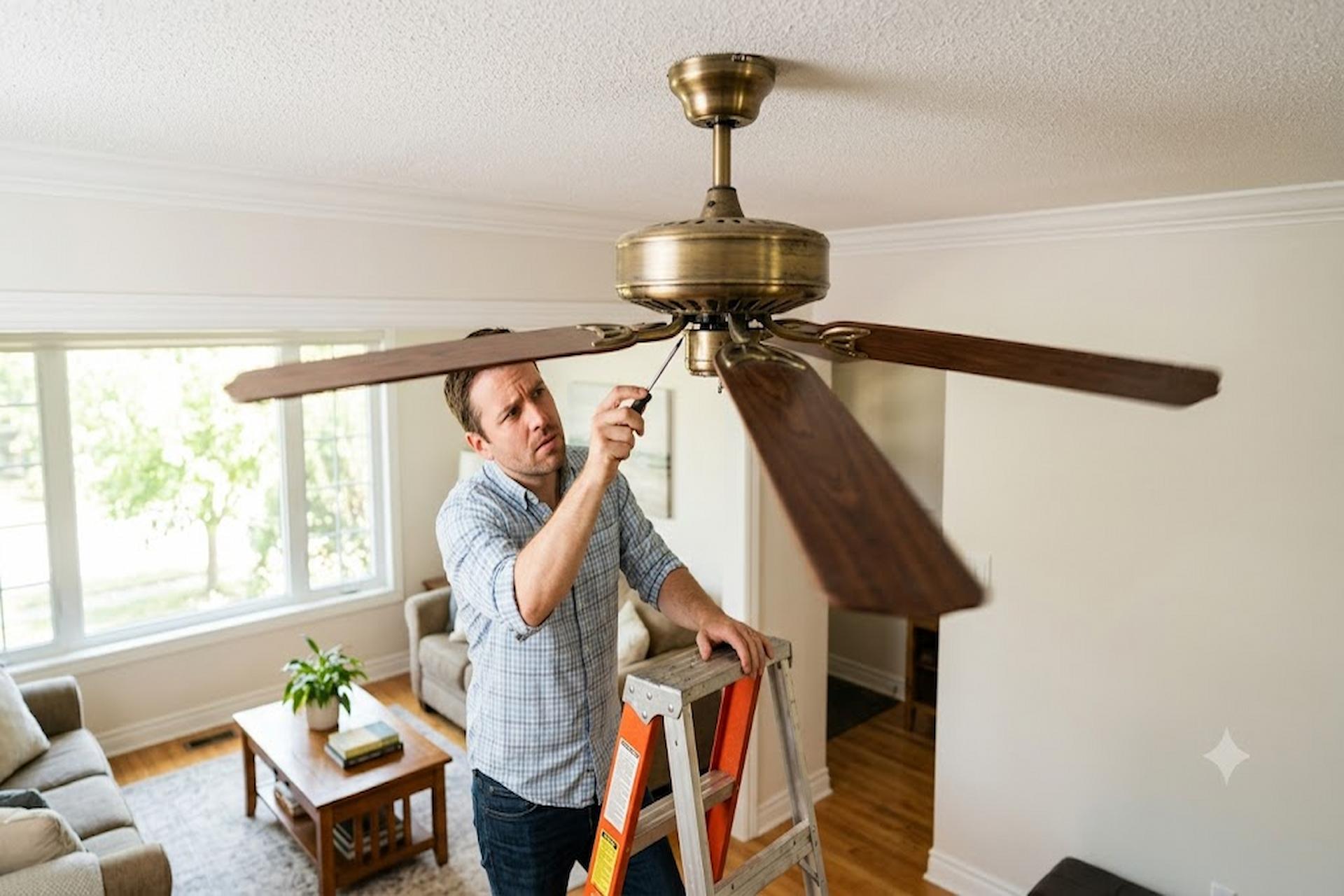
As temperatures begin to climb, many homeowners rely on ceiling fans to keep their living spaces comfortable while reducing the need for constant air conditioning. However, a fan that isn’t working properly can do more than make a room uncomfortable it can waste energy, create safety concerns, and lead to costly repairs if ignored. If you’re dealing with installation concerns or need professional help, a ceiling fan electrician Columbia, SC can ensure your fan operates safely and efficiently.
Understanding common ceiling fan problems before summer arrives can help you catch small issues early, improve your home’s comfort, and extend the life of your fan.
Why Ceiling Fan Maintenance Matters Before Summer
Ceiling fans often sit idle during cooler months. When they’re switched back on in late spring or early summer, hidden problems can quickly become noticeable.
A properly functioning ceiling fan improves airflow, helps distribute cooled air more evenly, and reduces the workload on your HVAC system. On the other hand, a malfunctioning fan may make your home less comfortable while increasing electricity use.
Taking time to inspect your ceiling fans before peak summer temperatures arrive is a simple way to avoid unexpected issues.
Common Ceiling Fan Problems to Watch For
Several issues tend to appear as ceiling fans age or after months of inactivity.
Wobbling or Shaking
A wobbling fan is one of the most common complaints among homeowners. While it may seem like a minor annoyance, excessive movement can eventually loosen mounting hardware or damage the motor.
Common causes include:
- Loose mounting screws
- Bent blade arms
- Dust buildup on blades
- Unbalanced fan blades
- Improper installation
Many fans include balancing kits that help correct uneven blade weight. If wobbling continues after balancing, it’s worth having the mounting system inspected.
Strange Noises
Ceiling fans should operate quietly. Clicking, grinding, humming, or rattling noises usually indicate something isn’t right.
Possible causes include loose screws, worn bearings, motor problems, or parts rubbing together. Sometimes the fix is as simple as tightening hardware, while other situations require replacement parts or professional service.
Ignoring unusual sounds often allows small mechanical problems to become larger repairs.
Fan Spins Slowly
If your ceiling fan rotates more slowly than normal, even on the highest setting, it may not be moving enough air to cool the room effectively.
Several factors can reduce fan speed:
- Dust buildup inside the motor housing
- Worn capacitor
- Aging motor
- Electrical issues
- Incorrect speed settings
Reduced performance is especially noticeable during hot weather when proper airflow becomes more important.
The Fan Won’t Turn On
A ceiling fan that refuses to start isn’t always a sign that the motor has failed.
Before assuming the worst, check:
- The wall switch
- Remote control batteries
- Circuit breaker
- Pull chain settings
- Power supply
If these basic checks don’t solve the problem, an electrical issue may be preventing the fan from receiving power. In those cases, it’s safest to have the wiring inspected rather than attempting electrical repairs yourself.
Lights Work but the Fan Doesn’t
Many ceiling fans have separate circuits for the light kit and the fan motor. This means the lights may still function even if the blades won’t spin.
Possible causes include:
- Failed motor capacitor
- Internal wiring problems
- Faulty speed control
- Motor failure
Because diagnosing these components involves electrical testing, professional evaluation is often the safest solution.
Dust Can Affect More Than Appearance
Ceiling fan blades naturally collect dust over time. While this may seem like a cosmetic issue, heavy dust buildup can actually reduce efficiency.
Uneven dust accumulation may throw the blades slightly out of balance, leading to vibration. Dust can also spread allergens throughout your home whenever the fan is running.
Cleaning fan blades regularly helps maintain performance while improving indoor air quality.
Common Installation Mistakes
Some ceiling fan problems begin during installation rather than years later.
Improper mounting can lead to wobbling, noise, or electrical concerns. Fans should always be securely attached to electrical boxes designed specifically to support ceiling fan weight and movement.
If you’re replacing an older fixture or installing a new fan, working with a qualified ceiling fan electrician Columbia, SC helps ensure the wiring, support bracket, and mounting hardware all meet current safety standards.
Professional installation also helps prevent issues that might not become obvious until the fan has been running for several weeks.
Simple Maintenance Tips for Homeowners
Routine maintenance can prevent many common ceiling fan problems.
A few easy habits include:
- Dust blades every few weeks.
- Tighten visible screws periodically.
- Reverse blade direction seasonally.
- Listen for new noises during operation.
- Check for wobbling before it becomes severe.
- Keep remote controls and batteries in good condition.
These simple steps take only a few minutes but can significantly extend the life of your ceiling fan.
When It’s Time to Replace Your Ceiling Fan
Even well-maintained ceiling fans eventually wear out.
You may want to consider replacement if your fan:
- Frequently needs repairs
- Makes persistent noise
- Wobbles despite balancing
- Has an outdated or inefficient motor
- No longer provides adequate airflow
- Shows signs of electrical damage
Modern ceiling fans are often quieter, more energy-efficient, and equipped with features such as remote controls, smart home compatibility, and improved motor technology.
Replacing an aging fan before summer begins can improve comfort throughout the season.
Conclusion
Ceiling fans are one of the simplest ways to stay comfortable during warm weather, but they only perform well when they’re properly maintained. Wobbling, unusual noises, slow speeds, and electrical issues are all warning signs that shouldn’t be ignored.
By inspecting your fans before summer arrives, performing routine maintenance, and addressing problems early, you can improve airflow, reduce unnecessary wear, and avoid more expensive repairs later. Whether your fan needs a minor adjustment or a complete replacement, taking action before temperatures rise will help keep your home comfortable all season long.