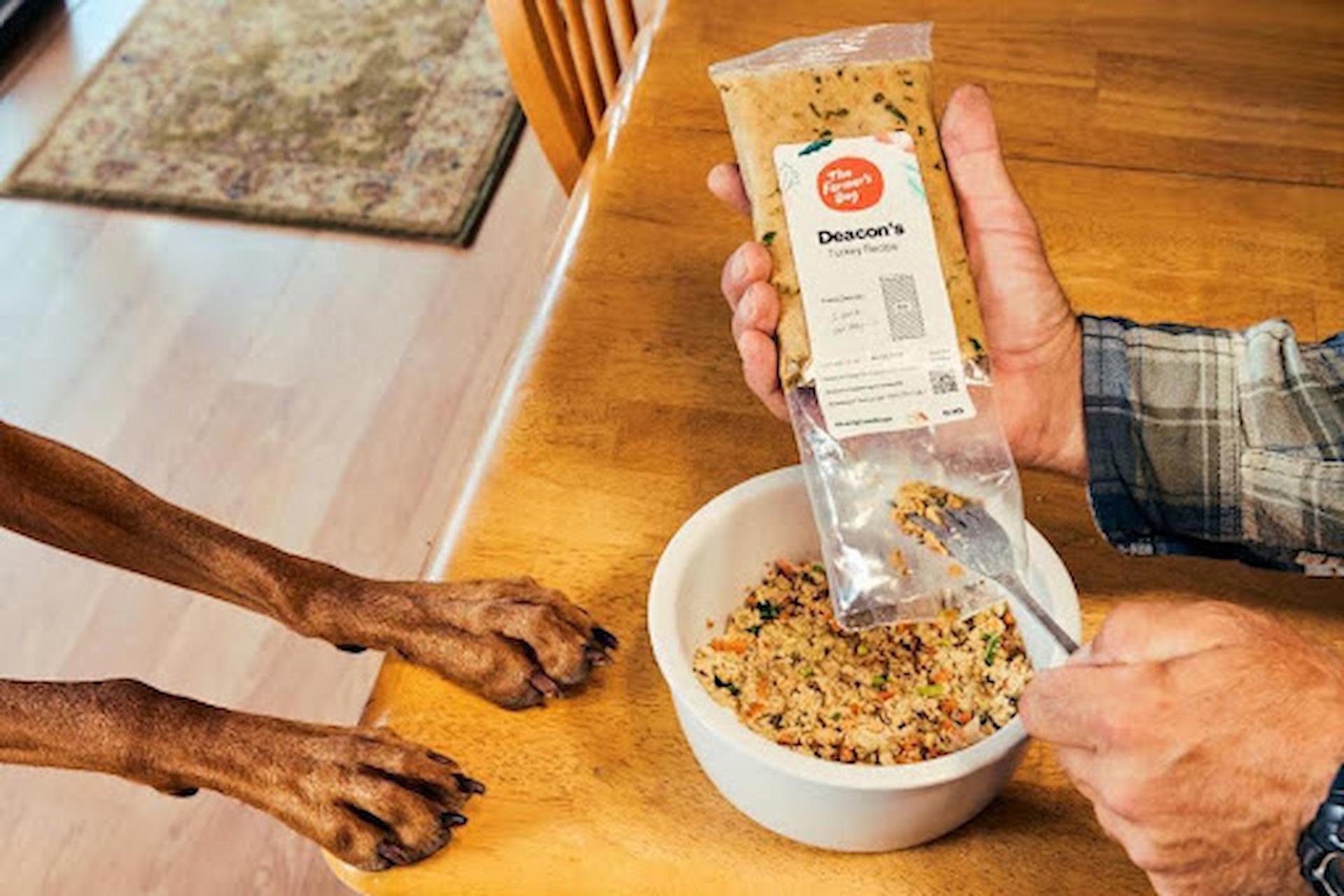
From nutrition details to safety standards, pet food labels influence consumer trust around the world. Translating them demands precision, regulatory knowledge, and cultural awareness. In this post, we examine common challenges, compliance requirements, and practical strategies to ensure pet food translations remain accurate, reliable, and fully market-ready.
Pet food is a highly regulated, emotionally driven, and scientifically grounded industry. Owners expect clarity, transparency, and reassurance about what they are feeding their animals. When brands expand into international markets, language becomes a critical bridge between product integrity and consumer trust. A single mistranslated term can cause confusion, regulatory setbacks, or reputational damage. This is why translation for animal care and pet food requires a specialist approach that goes well beyond literal word conversion.
The Case for Specialised Knowledge in Pet Food Translation
Pet food content sits at the intersection of veterinary science, nutrition, marketing, and law. Translators must understand technical terminology related to ingredients, nutritional analysis, feeding guidelines, and health claims. At the same time, they must preserve tone and clarity for pet owners who may not have scientific backgrounds. Generic translation approaches often fail to capture this balance, making subject-matter expertise essential.
Regulatory Sensitivity Across Global Markets
Regulatory frameworks governing pet food differ significantly between regions. Terminology accepted in one country may be restricted or interpreted differently elsewhere. Translators must be familiar with how nutritional claims, additive descriptions, and product classifications are regulated in target markets. Accurate localisation ensures translated content aligns with local standards while remaining faithful to the original intent, reducing compliance risks and delays.
Ingredient Lists and Nutritional Accuracy
Ingredient declarations are among the most scrutinised sections of pet food packaging. Precision is essential. Translators must handle compound ingredients, processing descriptors, and nutritional values with absolute accuracy. Even small inconsistencies can raise questions about quality or safety. Consistent terminology, verified glossaries, and careful review processes help maintain integrity across all languages.
Tone, Trust, and Pet Owner Expectations
Pet owners often form strong emotional bonds with brands they trust. Translation must reflect the same reassuring, informative tone used in the source language. Overly technical phrasing can alienate readers, while oversimplification may undermine credibility. Effective translation for animal care and pet food preserves brand voice while adapting language to meet cultural expectations and reading habits in each market.
Scientific Language Without Overstatement
Pet food content frequently references nutritional science, functional benefits, or dietary roles. Translators must convey these concepts clearly without exaggeration or misinterpretation. Careful phrasing ensures that supportive statements remain factual and responsible, aligning with both scientific understanding and advertising regulations. This measured approach protects both the brand and the end consumer.
Consistency Across Packaging and Digital Content
Pet food brands communicate across multiple touchpoints, including packaging, websites, product sheets, and regulatory documentation. Consistency in translated terminology is vital. Using centralised terminology management and style guidelines ensures that product names, ingredients, and nutritional terms remain uniform across formats, reinforcing clarity and professionalism in every language version.
The Role of Quality Assurance in Pet Food Translation
Given the stakes involved, quality assurance is not optional. Multistage review processes, including linguistic checks and subject-matter validation, help identify errors before publication. This is particularly important for labels and compliance-related content, where inaccuracies can have legal and commercial consequences. Professional workflows safeguard accuracy and reliability.
Partnering With the Right Translation Provider
Working with a specialist language provider experienced in animal care content makes a measurable difference. Providers familiar with veterinary terminology, pet nutrition standards, and regulatory expectations can deliver translations that are accurate, compliant, and brand-aligned. Organisations such as https://talkingheads.co.uk/animal support pet food companies with sector-specific expertise, ensuring content performs effectively across international markets.
Frequently Asked Questions
Why is pet food translation considered a specialist field?
Pet food translation involves regulatory language, nutritional science, and consumer-facing messaging. Accuracy is essential to meet legal standards, avoid misinterpretation, and maintain trust with pet owners across different markets.
What risks arise from poor pet food translation?
Inaccurate translation can lead to regulatory non-compliance, misleading ingredient information, and loss of consumer confidence. Even minor terminology errors may result in product recalls or reputational damage.
How does pet food regulation affect translation quality?
Regulations vary by country and influence how ingredients, additives, and nutritional claims must be presented. Translators must adapt content carefully to align with local legal and labelling requirements.
Is literal translation suitable for pet food content?
No. Literal translation often fails to convey technical meaning, regulatory intent, or appropriate tone. Effective translation requires localisation, subject expertise, and controlled terminology.
What should brands prioritise when translating pet food content?
Brands should prioritise accuracy, consistency, and compliance. Working with specialists in translation for animal care and pet food ensures content remains clear, credible, and market-ready across regions.
Final Thoughts
Pet food translation is a discipline that requires precision, subject knowledge, and cultural awareness in equal measure. From ingredient lists to nutritional guidance, every word carries weight and responsibility. Effective translation for animal care and pet food ensures regulatory compliance, protects brand credibility, and builds lasting trust with pet owners worldwide. By prioritising specialist expertise, consistent terminology, and robust quality assurance, brands can communicate clearly and confidently across borders. In a sector where safety and trust are paramount, high-quality translation is not a support function but a strategic necessity.