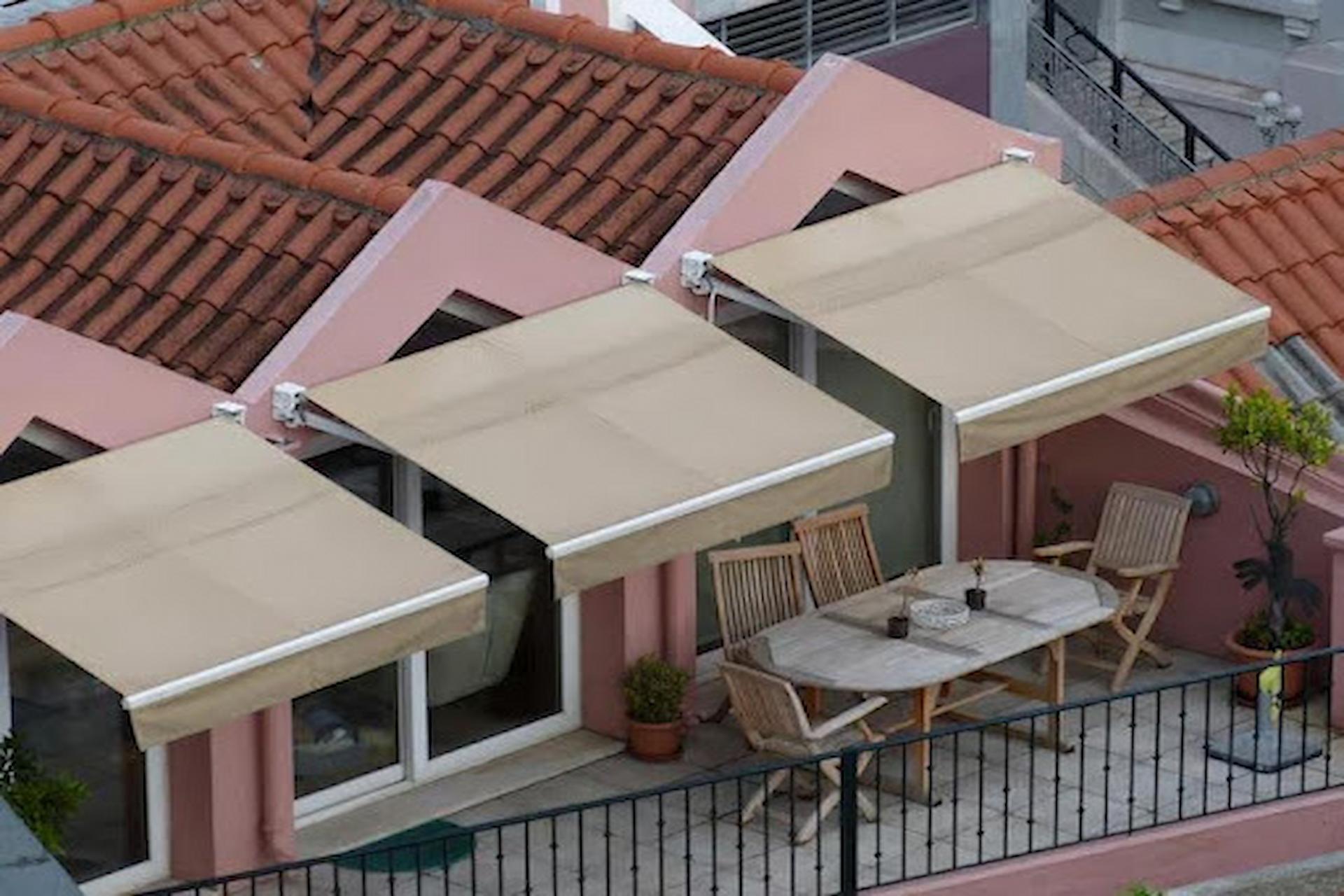
Should you choose a retractable awning or a fixed one? Acrylic fabric or aluminum? The right choice can lower indoor temperatures, protect your furniture from UV damage, and add instant curb appeal. Learn which awning styles work best for patios, windows, and decks—and how to pick materials that last in your climate.
The right shade solution does more than block sunlight. It shapes how a house looks, how outdoor areas are used, and how comfortable interiors feel throughout the year. Awnings for homes have become a practical design choice, offering protection from glare, heat, and light rain while adding visual balance to windows, patios, and terraces.
Today’s awnings are designed to blend function with visual appeal. They can soften harsh light, reduce indoor temperatures, and extend the usable life of outdoor areas. Selecting the right option involves understanding how different styles work and which materials perform best in everyday conditions.
Why Awnings Matter More Than Ever
External shading plays a significant role in comfort and energy efficiency. Research in building design shows that well-positioned shading can cut solar heat gain through windows by more than half during warmer months. This helps maintain steadier indoor temperatures and reduces reliance on cooling systems.
Beyond temperature control, awnings limit UV exposure, which helps prevent fading of flooring, upholstery, and curtains. They also reduce glare, making rooms more comfortable for reading, working, or relaxing during bright parts of the day.
Exploring Common Awning Styles
Different spaces require different approaches. Understanding the main styles helps narrow down suitable options.
Retractable Designs
Retractable awnings are popular for patios and terraces. They extend when shade is needed and retract when sunlight is welcome. This flexibility suits spaces used at different times of day. Some systems are manually operated, while others use motors for smoother control.
Fixed Structures
Fixed awnings provide constant coverage. Often installed above doors or windows, they offer reliable protection from sun and light rain. Their permanent structure gives a defined look and works well where shade is always required.
Window and Drop-Arm Options
Designed mainly for windows, these awnings project at an angle to block direct sun while allowing airflow. They are effective for managing indoor heat without making rooms feel dark or enclosed.
Choosing Materials That Perform Well
Material selection affects durability, maintenance, and comfort.
Fabric Canopies
Modern awning fabrics are treated for UV resistance, moisture protection, and colour retention. Acrylic fabrics are widely used because they resist fading and allow heat to escape. Polyester blends offer a lighter alternative and are easy to maintain when properly treated.
Frames and Support Structures
Frames are typically made from aluminium or steel. Powder-coated aluminium is favoured for its resistance to corrosion and minimal upkeep. A strong frame ensures stability, especially in changeable weather.
Matching the Awning to Your Space
The most effective results come from aligning design choices with how the area is used. Wider projections suit seating areas, while compact designs work better for windows. In the centre of any planning process, awnings for homes should enhance the building’s proportions rather than overpower them.
Colour choice also matters. Lighter shades reflect heat and brighten shaded areas, while darker tones offer stronger glare control. Neutral colours tend to age well and complement a wider range of exterior finishes.
Practical Tips Before You Decide
- Measure the area carefully to ensure adequate coverage
- Consider wind exposure and fixing points
- Check fabric ratings for UV and water resistance
- Decide between manual or motorised operation
- Plan for routine cleaning and inspections
These steps help avoid common issues and support long-term performance.
A Closing Reflection
Selecting an awning is less about following trends and more about improving daily comfort. The right choice can moderate indoor temperatures, protect interiors, and make outdoor areas usable for longer periods of the year. With careful attention to style, materials, and placement, awnings for homes become a subtle yet valuable addition. The next step is to assess your space honestly, consider how sunlight affects it throughout the day, and choose a solution that balances practicality with appearance. When chosen thoughtfully, an awning delivers consistent comfort, visual harmony, and lasting value without demanding major changes to the home.